
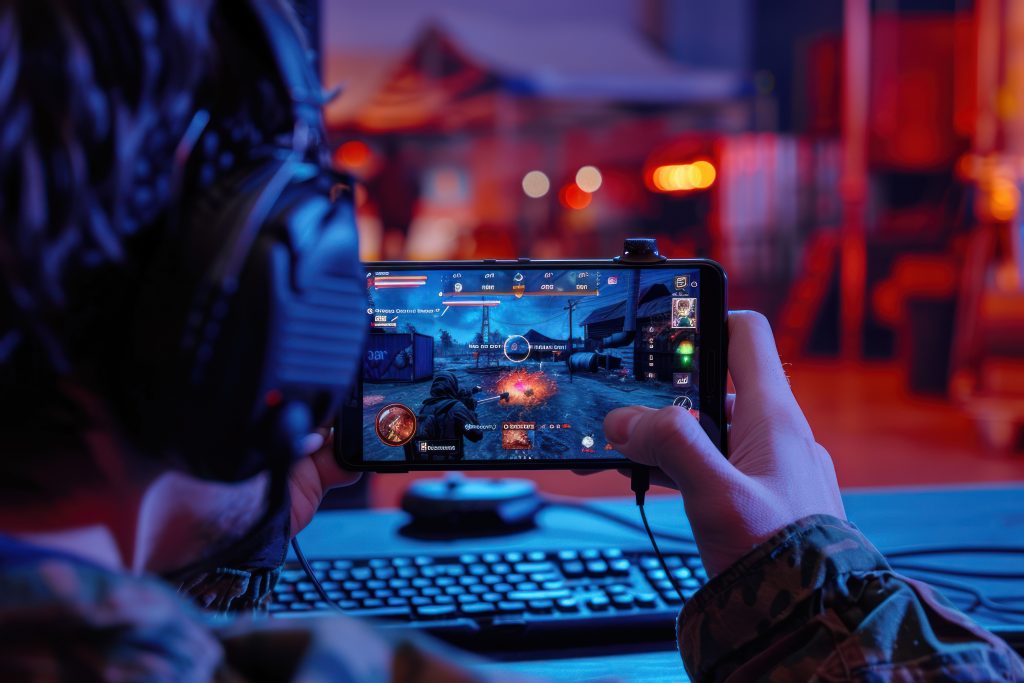
Mobile streaming is rapidly becoming one of the most powerful tools for video game marketing.
- Live streaming lets studios showcase gameplay authentically, interact directly with audiences, and build loyal communities.
- By 2025, over 40% of players will base purchase decisions on live-streamed content.
- Smaller studios can compete with big publishers by using streaming to reach targeted audiences cost-effectively.
- Platforms like Twitch, YouTube Gaming, and mobile-first streaming apps are driving higher engagement and conversion rates than traditional ads.
Introduction
In the past, game promotion involved glossy magazine pages, massive billboards, and costly TV commercials. Nowadays, the best method to market a game could be as straightforward as a phone, a tripod, and an engaging streamer.
It’s undeniable that the advertising landscape has transformed from traditional methods to digital-focused, community-led strategies. At the core of this change? Mobile streaming is a potent channel where games are not just displayed; they’re enjoyed live.
The figures are impressive: by 2025, mobile gaming is forecast to earn over $138 billion worldwide, with live streaming impacting over 40% of purchase choices. For both independent creators and major studios, this is not merely a trend; it’s the new frontier of marketing.
The Allure of Live Streams for Game Marketing
When a studio broadcasts its game live, a special connection is made: viewers aren’t just observing; they’re involved.
Platforms such as Twitch, YouTube Gaming, and mobile-first streaming apps provide studios opportunities to:
- Present genuine gameplay: no elaborate setups, just the real game.
- Get immediate input: developers can adjust elements based on audience responses in the chat.
- Create viral content: memorable victories, amusing errors, or compelling story moments can spread online quickly.
Specifically, micro-influencers are proving valuable for game promotion. Although they might have smaller followings, those viewers are very active and value the content creator’s views.
Why Mobile Streaming Outperforms Traditional Marketing
| Factor | Traditional Ads | Mobile Streaming |
| Cost | High production & placement costs | Minimal setup cost |
| Engagement | Passive viewing | Real-time interaction |
| Reach | Broad but less targeted | Highly targeted niche audiences |
| Longevity | Ends when the ad campaign stops | Streams can be replayed, clipped, and shared |
Cost-effectiveness: A 30-second TV ad can cost masses of thousands of dollars to produce and air, even as a live streaming marketing campaign can run for weeks with a fragment of the finances.
Engagement prices: Viewers looking at live streams are much more likely to remark, respond, and act, leading to higher conversion costs than static banner commercials.
Community building: Streaming transforms players into logo advocates who keep selling your recreation long after launch day.
Case Examples & Data-Driven Findings
Indie Achievement: Pocket Quest, a mobile RPG by a two-person indie team, achieved 50,000 downloads within its initial week by collaborating with five micro-streamers on YouTube Gaming. The expense? Under $2,000 for influencer compensation.
AAA Effect Legends: Arena, a release from a prominent studio, experienced a 28% higher sales surge on its debut day in areas with significant promotion through streaming campaigns compared to regions utilizing only conventional advertisements.
Conversion Metrics: Per Streamlabs, viewers who watch a game stream for 10+ minutes show a 67% greater likelihood of downloading or acquiring it.
FAQs
- In what way has the rise of mobile gaming affected video game advertising?
Mobile gaming has shifted advertising toward interactive, short-form, and community-driven campaigns, where live gameplay and audience participation drive engagement and purchases. - How is live streaming changing marketing?
It adds authenticity, allows for real-time feedback, and creates stronger emotional connections, often leading to higher conversion rates. - Do small studios really benefit from mobile streaming?
Absolutely! Streaming levels the playing field by allowing smaller studios to reach targeted audiences without massive ad budgets. - What platforms work best for mobile game live streaming?
Twitch and YouTube Gaming remain leaders, but platforms like Trovo and Nimo TV are gaining traction in specific regions. - Can streaming be used after launch?
Yes, streaming is just as effective for post-launch updates, events, and DLC announcements as it is for the initial release. - How can developers earn rewards through streaming?
Studios can partner with platforms like Earnscape to monetize engagement, reward players for watching streams, and turn gameplay sessions into marketing events.
Final Thoughts
Mobile streaming is more than a simple marketing tactic; it’s the forefront of promoting video games. From creating buzz before a game’s release to keeping players engaged afterward, live streaming offers unparalleled realness, player engagement, and worth.
For indie developers and big studios, the message is clear: if you’re not using mobile streaming, you’re missing a very direct and powerful way to connect with your players.
The future of game marketing is live, interactive, and mobile, and it’s here now.


